
Earthquakes and natural disasters can happen suddenly in Japan.
Electricity may stop. Elevators stop working. Trains stop running. Bottled water disappears from supermarkets.
This is not a movie scenario. These things actually happened during major disasters such as the 2011 earthquake and the 2018 Osaka earthquake.
If you live in Japan, preparation is the key to safety.
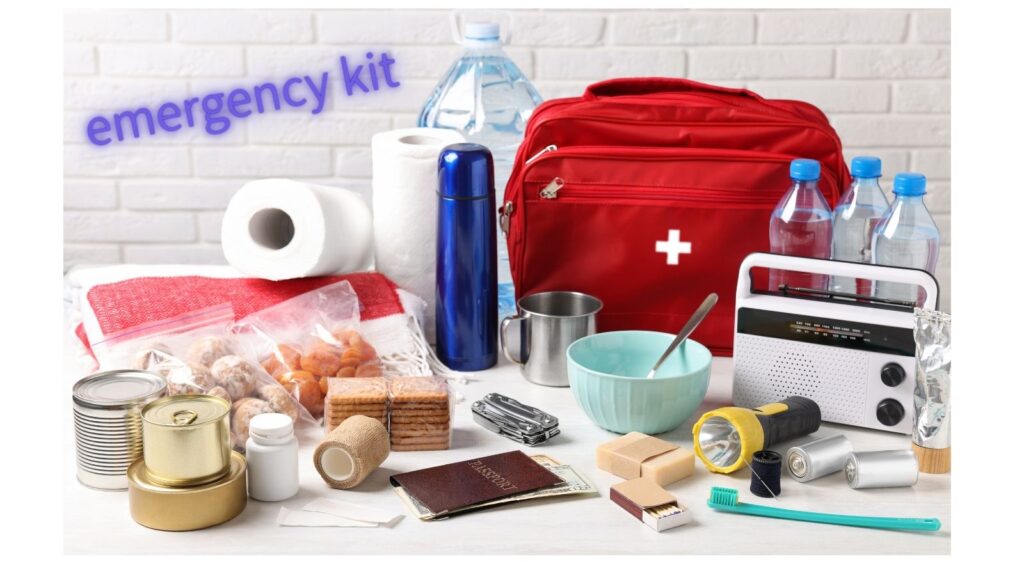
This guide explains the essential emergency supplies foreigners should prepare in Japan, based on real disaster experiences.
目次
1. The 72-Hour Survival Basic Set
Emergency experts recommend preparing supplies for at least 72 hours (3 days).
This is the typical time it may take before assistance and supplies arrive after a major disaster.
1. Water (Highest Priority)
Recommended amount:
- 3 liters per day per person
- Total: 9 liters for 3 days
Example:
- Five 2-liter bottles per person
Real Experience:
- Bottled water sold out quickly during the Osaka earthquake
- Long lines formed at public water stations after the 2011 disaster
Tips:
- Replace stored water every 6 months
- Keep one bottle near the entrance
2. Food (No Cooking Required)
After disasters, gas and electricity may not be available.
Choose food that can be eaten without heating.
Recommended foods:
- Canned fish or beans
- Ready-to-eat rice
- Energy bars
- Chocolate
- Biscuits
Example 3-day set:
- 3 canned foods
- 3 ready meals
- 3 energy bars
Real Experience:
During the 2011 earthquake, many homes could not use gas or microwave ovens.
3. Mobile Battery (Your Smartphone Is Essential)
Your smartphone is your main survival tool.
- Emergency alerts
- Maps and evacuation routes
- Translation tools
- Communication with family
Real Experience:
Portable chargers sold out quickly after the Osaka earthquake.
Recommended:
- 10,000mAh or more
- Two charging cables
2. Essential Items for Foreign Residents
1. Identification Documents
- Passport copy
- Residence card copy
- Health insurance card copy
Store copies:
- Printed copies in a waterproof bag
- Photos on your phone
- Cloud storage backup
Identification may be required at evacuation shelters.
2. Cash
Electronic payments may not work during power outages.
- Credit cards may not work
- IC cards may not work
- Mobile payments may not work
Recommended amount:
- 10,000 to 30,000 yen
- Include coins
Real Experience:
Many stores accepted cash only after the Osaka earthquake.
3. Translation Tools
Internet connections may be unstable.
- Offline translation apps
- Basic Japanese phrases written down
Useful phrases:
- Where is the evacuation shelter?
- Where can I get water?
- Where is the toilet?
3. Power Outage Essentials
Flashlight
- LED recommended
- Battery-powered is reliable
Phone lights drain battery quickly.
Batteries
Recommended minimum:
- 8 AA batteries
Batteries sell out quickly during disasters.
Portable Radio
A radio may be the only source of information if internet access fails.
4. Hygiene and Health Supplies
- Wet wipes
- Masks
- Toothbrush
- Towels
- Personal medications
- Sanitary products
Many hygiene products became difficult to obtain after the 2011 disaster.
5. Often Forgotten but Important
- Portable toilet
- Toilet paper
- Spare glasses
- Personal medication
Apartment residents especially need emergency toilets during water outages.
6. Seasonal Items
Winter
- Blanket
- Heat packs
- Warm socks
Summer
- Cooling sheets
- Salt tablets
- Hand fan
Air conditioning will not work during power outages.
7. Emergency Backpack Setup
Choose a Backpack
- Hands-free
- Water-resistant
Recommended Weight
5–7 kg maximum.
If it is too heavy, you may not be able to carry it during evacuation.
Storage Location
- Near the entrance
- Near your bed
8. Minimum Emergency Set (Start Today)
- 6+ liters of water
- 3 meals
- Mobile battery
- Cash
- ID copies
Even this minimum preparation significantly improves safety.
Emergency kit from Amazonhttps://www.amazon.co.jp/s?k=%E9%98%B2%E7%81%BD%E3%82%B0%E3%83%83%E3%82%BA+%E3%82%BB%E3%83%83%E3%83%88&crid=1OTIAKWY3G3Q7&sprefix=bousaiguzzu%2Caps%2C179&ref=nb_sb_ss_ts-doa-p_2_11
Conclusion
Disaster preparation is not extreme — it is basic safety in Japan.
An emergency kit is one of the simplest ways to protect yourself.
Preparation reduces fear.
Next: Evacuation Shelters in Japan – What Foreigners Should Know.
Continue the Series: Disaster Preparedness in Japan (For Foreigners)
After preparing emergency supplies, learn the real-life problems foreigners face during disasters and how to solve them.
Previous Article:
EP3: Japanese Emergency Alerts & Disaster Apps Guide
Next Article:
EP5: Problems Foreigners Face During Disasters in Japan
Complete Guide:
Disaster Preparedness in Japan for Foreigners – Complete Guide